01 May 2026 Blogs
In the current digital transformation of IT, cloud computing is no longer a luxury but a necessity. But determining which cloud model to adopt can be a challenge, especially when the terms multi-cloud and hybrid cloud are used interchangeably. Both cloud models provide flexibility and scalability, but for different use cases.
For organizations working with a reliable cloud services company like DHS Cloud Services, known for its 99% uptime, it becomes easier to understand these models. In this blog, let's explore the difference between multi-cloud and hybrid cloud, their benefits, and how to decide which one to use.
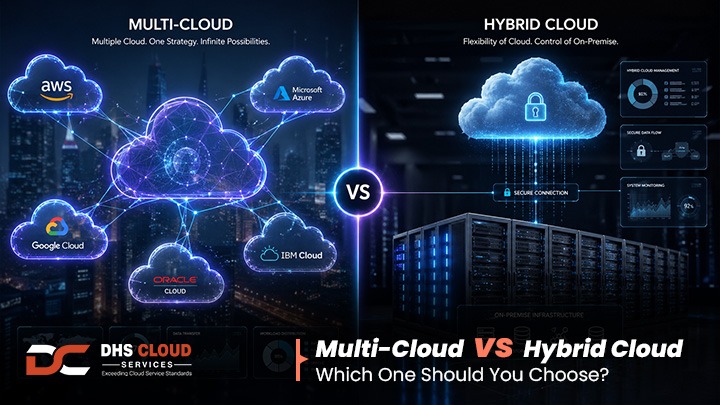
Multi-cloud is the practice of using multiple cloud services from different cloud providers to host applications, data, or services. Rather than trusting one vendor and putting all their eggs in one basket, companies spread their workloads across multiple cloud environments.
The strategy is commonly used to prevent vendor lock-in and to take advantage of different vendors' capabilities. A business might, for instance, host applications in one cloud and use another for analytics and storage.
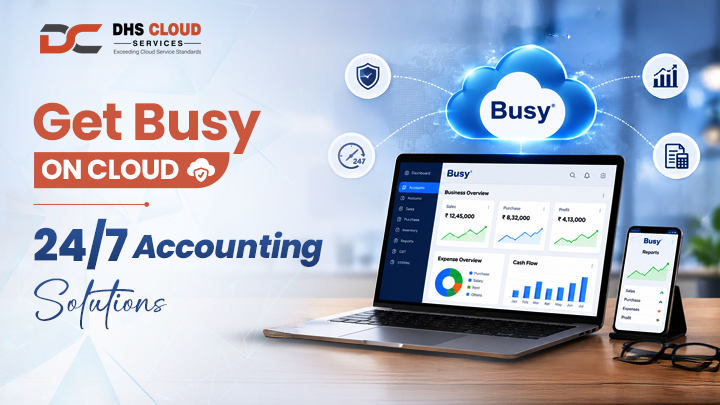
A hybrid cloud approach can help companies using Busy on Cloud to efficiently balance their workload while remaining flexible. This approach lets businesses choose the most suitable environment for specific applications without being locked into one environment.
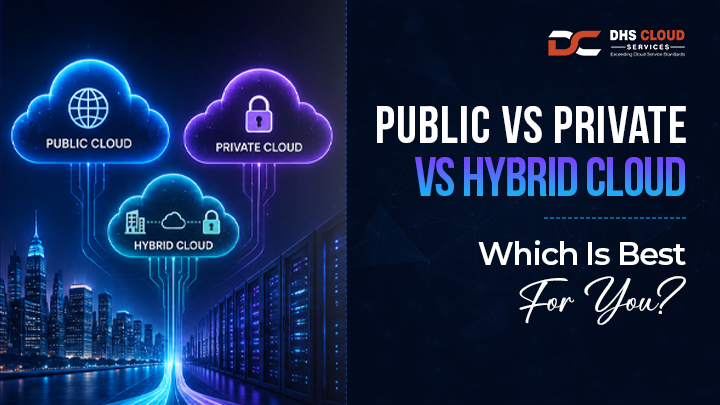
A hybrid cloud combines private infrastructure (e.g., servers) with public cloud services. It enables companies to keep sensitive data and applications on-premises while using the public cloud for more flexible computing resources.
A hybrid cloud is ideal for companies that have to comply with strict regulatory standards or deal with sensitive data. This enables companies to keep private data in a controlled environment while leveraging the cloud for less important workloads.
With strong cloud management services, businesses can integrate their on-premise infrastructure with the cloud for efficient data exchange and operations.
While both involve multiple environments, the primary difference is in their structure and use.
Multi-cloud is about leveraging multiple public cloud providers without integration. The platforms remain separate, and workloads are distributed based on performance, cost, or special features.
Hybrid cloud is focused on integration. It connects private and public cloud platforms to form a single environment in which data and applications can flow without barriers.
This distinction is important for companies using Tally Cloud services or Busy on Cloud. A multi-cloud approach may provide flexibility in choosing platforms, while a hybrid cloud can provide control of confidential accounting data.
Flexibility is one of the key benefits of multi-cloud. Businesses do not have to rely on one provider. This way, they can avoid the risks associated with downtime or capacity issues.
Multi-cloud also allows businesses to choose the most efficient platform for specific applications. For example, one provider may have good storage capabilities, while another has superior computing power.
Another advantage is cost optimization. With proper cloud management solutions, companies can compare pricing models of different providers and distribute workloads accordingly.
Multi-cloud also improves resilience. If one provider faces downtime, workloads can be shifted to other vendors for uninterrupted operations.
Hybrid cloud provides a balance between control and scalability. Organizations retain core functions in a private environment and use the public cloud for extra resources.
This model works well for businesses with sensitive data, like financial data stored via Busy on Cloud or Tally Cloud services. Storing this data in a private environment allows businesses to comply with regulations while leveraging the scalability of the cloud.
Hybrid cloud also supports gradual migration. Companies can move workloads to the cloud gradually, instead of all at once, minimising risks and disruptions.
Hybrid clouds can be efficiently managed and optimized with the help of advanced cloud management services, ensuring seamless performance across private and public systems.
Hybrid cloud environments also benefit from strong infrastructure support. DHS Cloud Services leverages Tier 3 data centres and high-availability (HA) architecture. This ensures that applications and data are always accessible, even at times of peak usage or system failures.
The decision between multi-cloud and hybrid cloud should be based on your business objectives, technical needs, and operational priorities.
If you want to choose from multiple service providers and avoid dependency, then multi-cloud is an ideal option. It's perfect for companies with a range of apps that need performance optimization on various platforms.
However, if your company needs strict data control and compliance, a hybrid cloud is a better choice. This enables you to store sensitive data in a secure environment and use the cloud for scalability.
For businesses that use accounting solutions like Tally Cloud services, a hybrid cloud is ideal. It offers control and security needed for sensitive financial data while allowing you to access your data from anywhere.
Whichever model you go for, good management is critical. That's where cloud management services can help.
Without the right expertise, handling multiple environments (multi-cloud or hybrid) can be challenging. Performance monitoring, cost optimization, and security - these are just some of the areas where cloud management solutions help businesses stay efficient and in control.
DHS Cloud Services offers end-to-end services to manage cloud environments. With active monitoring and a structured approach, businesses can prioritise growth while the experts manage technical complexities.
Multi-cloud and hybrid cloud have their strengths and advantages, but which one is right for your business? Multi-cloud offers scalability and resilience, while hybrid cloud offers control and compliance.
By partnering with an experienced cloud services company like DHS Cloud Services, businesses can make the right choice and fully leverage the power of cloud technology.
We provide enterprise-level infrastructure that’s designed to support modern business needs. We offer on-time support with a turnaround time (TAT) of just 15 minutes, which ensures that any issues are resolved quickly. This level of responsiveness is important for businesses that depend on cloud-based operations daily.
With reliable infrastructure, expert cloud management services, and support for platforms like Busy on Cloud, DHS Cloud Services ensures that your cloud journey is secure and efficient.
So, if you’re ready to take the next step, contact us today to get the right cloud strategy and expertise that scales your business.